Skip to content

Best Tools for Fine Hair Growth (That Prevent Breakage)

9 min read

If you’re trying to grow fine hair, it’s easy to focus only on products like oils, serums, supplements, masks. But one of the biggest game changers in my hair growth journey wasn’t a product at all. It was switching the everyday tools and accessories I used.

Tools and accessories don’t grow hair, but they protect the hair you’re growing.

Fine hair is fragile by nature. It tangles easily, breaks easily, and shows damage quickly. Small sources of friction and tension add up over time. Especially when your hair is wet, when you sleep, or when you style daily.

Most of the swaps below are simple, realistic, and budget-friendly. And I started using them at the very beginning of my journey and they’re still non-negotiables for me over a year later.

If you feel overwhelmed by hair advice, this is a great place to start.

Why Tools Matter So Much for Fine Hair

Fine hair needs gentle handling because small daily damage can cancel out growth progress. Things like:

  • Rough towels
  • Tight elastics
  • Friction while sleeping
  • Rough brushing
  • Excessive heat

These don’t seem dramatic in the moment, but over months they lead to breakage, frizz, and hair that never seems to get longer.

Tools also matter for appearance. Fine hair can look thin and flat when air-dried, but the right tools can create volume and texture without causing damage.

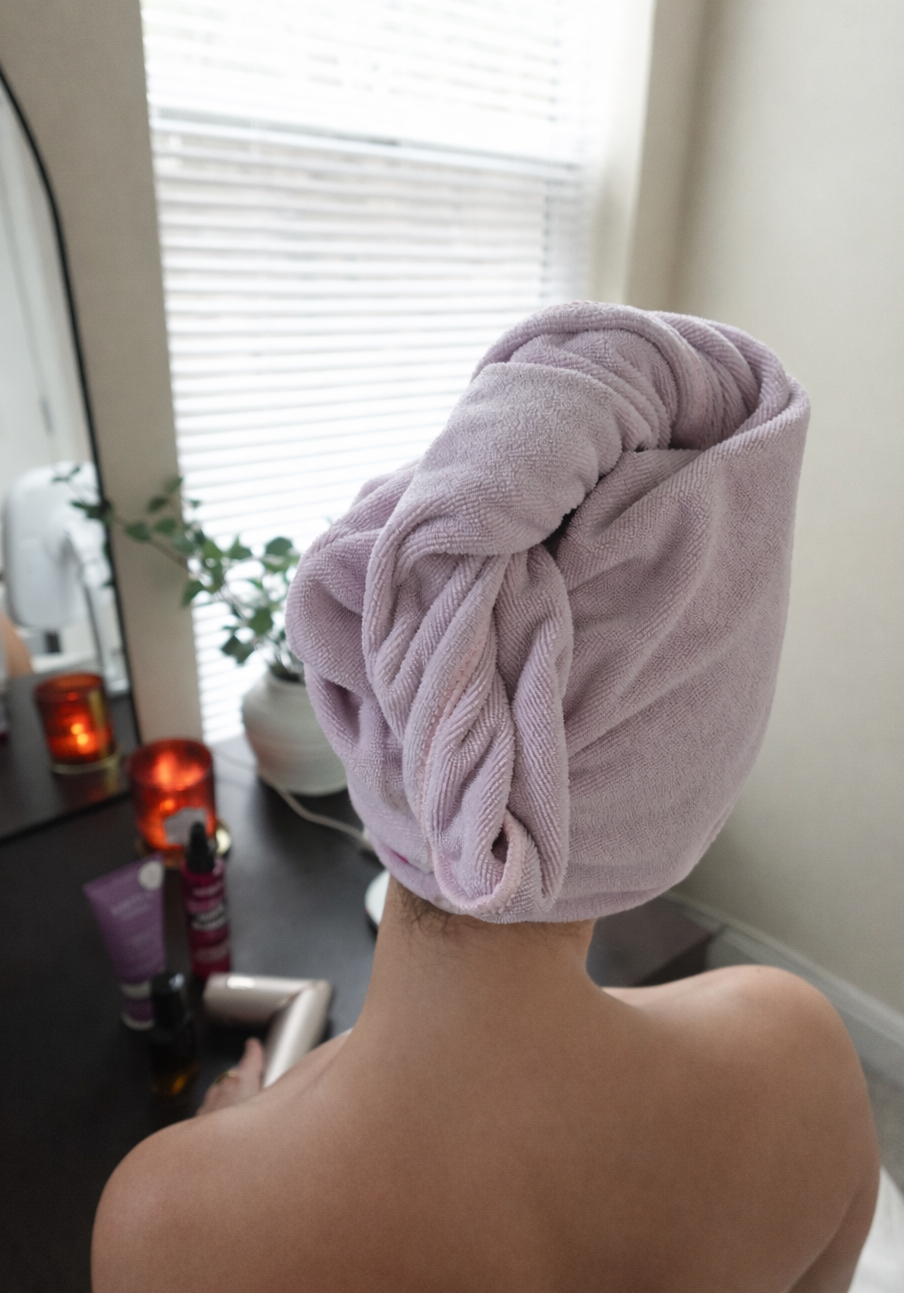
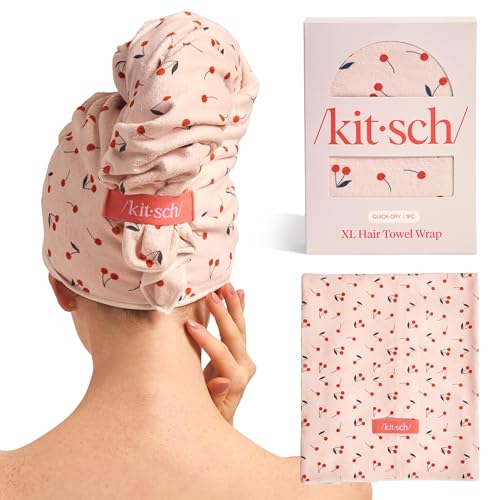
Microfiber Hair Towel Wrap

This was one of the first changes I made, and I noticed a difference immediately.

Before: I used a regular bath towel that I would dry my body with. The problem is that traditional towels are heavy and rough, especially when wrapped on your head. With fine hair, that weight can pull at the roots and even cause tension headaches.

Microfiber wraps are lightweight, soft, and much more forgiving.

What I noticed when I switched:

  • Less frizz
  • Faster drying time
  • No heavy pulling on my scalp
  • Fewer headaches
  • Much easier to move around with

Wet hair is when your strands are most vulnerable to damage. The cuticle is open, and hair stretches more easily. The microfiber material absorbs water without roughing up the hair shaft, which helps reduce breakage during this fragile stage.

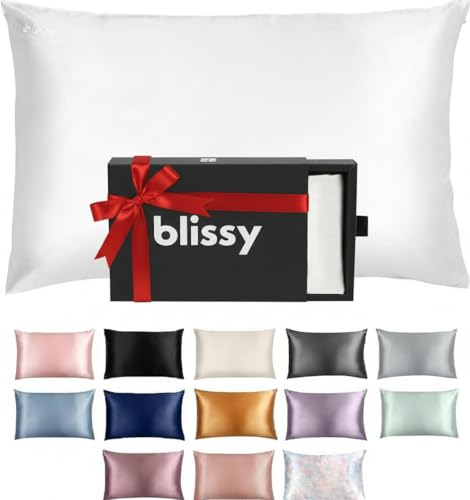
Silk Pillowcase

I switched because of the hype online and this is one trend that absolutely lived up to it.

Cotton pillowcases create friction as you move during sleep. If you’re a restless sleeper like me, your hair is basically rubbing against fabric for 6–8 hours straight. With cotton, I would wake up with static, knots, tangles, and frizzy hair.

After switching to silk, the difference was dramatic.

What changed:

  • Less tangles
  • Less breakage
  • Reduces static
  • Hair stayed smoother overnight
  • hairstyle held up better

Another reason I love silk pillowcases is that they’re “effortless protection.” I tried sleeping in a bonnet, but as a rough sleeper it never stayed on. No matter what, I know that even if I don’t have time or energy to put my hair up properly, the silk pillowcase is still protecting my hair from friction overnight. It’s a small change that works even on imperfect nights.

I’ve used a few different silk pillowcases over the years. More affordable options can be a great starting point, especially if you’re not sure whether you’ll notice a difference. Personally, I’ve found that higher-quality silk pillowcases tend to hold up better over time. If you want something that lasts for years, investing in a well-made silk pillowcase may be worth it, but even a budget-friendly version is still far gentler on your hair than cotton.

Silk Hair Ties & Scrunchies

Regular hair elastics used to cause more damage than I realized. They pulled at my strands, left harsh dents in my hair, and sometimes made it impossible to wear my hair down afterward without re-styling.

Switching to silk hair ties was a small change that made a noticeable difference.

Because the fabric is smooth and less tight, they create less tension on the hair and are much gentler. One of my favorite things about them is that they don’t leave a strong crease. With regular elastics, I would take my hair down and immediately have a bump that forced me to either keep it up or use more heat to fix it. Silk ties give you flexibility to wear your hair down again without starting over.

My go-to nighttime routine is a loose low ponytail secured with a silk tie, combined with a silk pillowcase. This keeps my hair contained without pulling on my scalp and helps prevent the knots and tangles that happen when fine hair moves around all night.

I also use them during workouts or anytime I need my hair out of the way but still want to be gentle with it.

For fine hair, less tension equals less breakage, and small daily reductions in stress on your strands add up over time.

Gentle Detangling: Wet Brush

Not all brushes are meant for wet hair, and using the wrong one can cause major breakage.

Fine hair is especially fragile when wet because the cuticle is open and the strands stretch more easily.

A flexible detangling brush (like the Wet Brush) allows knots to release without ripping through them.

How I detangle to reduce damage:

  1. Start at the ends of your hair
  2. Work upwards slowly
  3. Never yank though knots – be gentle
  4. Be extra gentle when hair is wet

These steps can prevent a surprising amount of breakage over time.

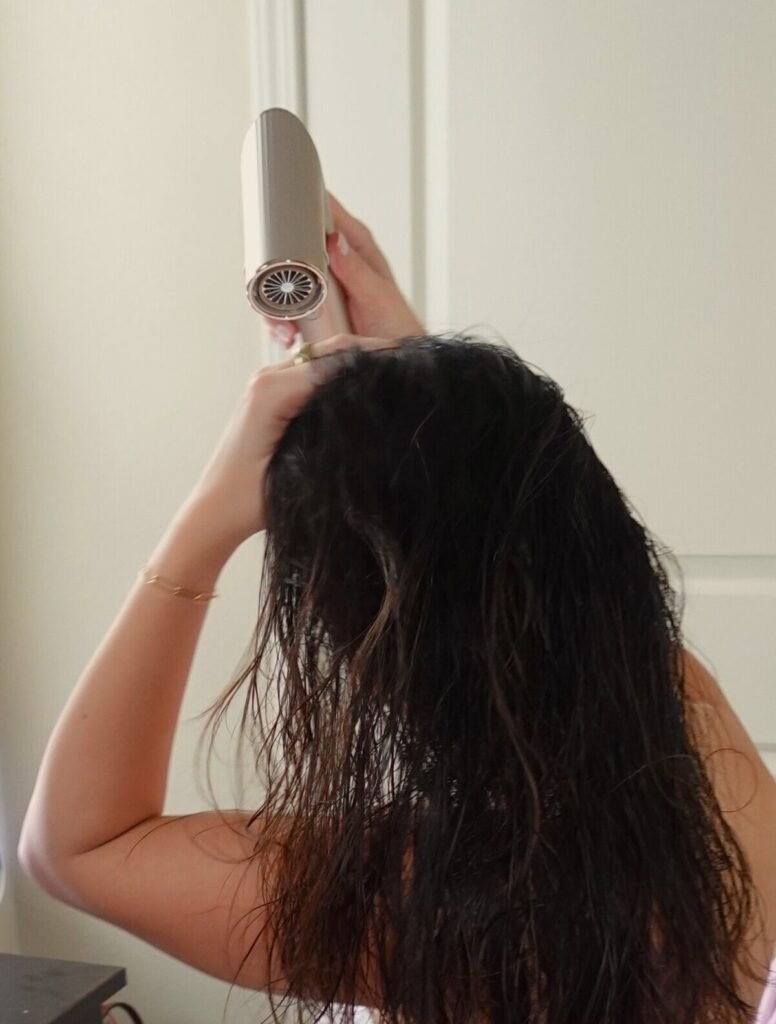
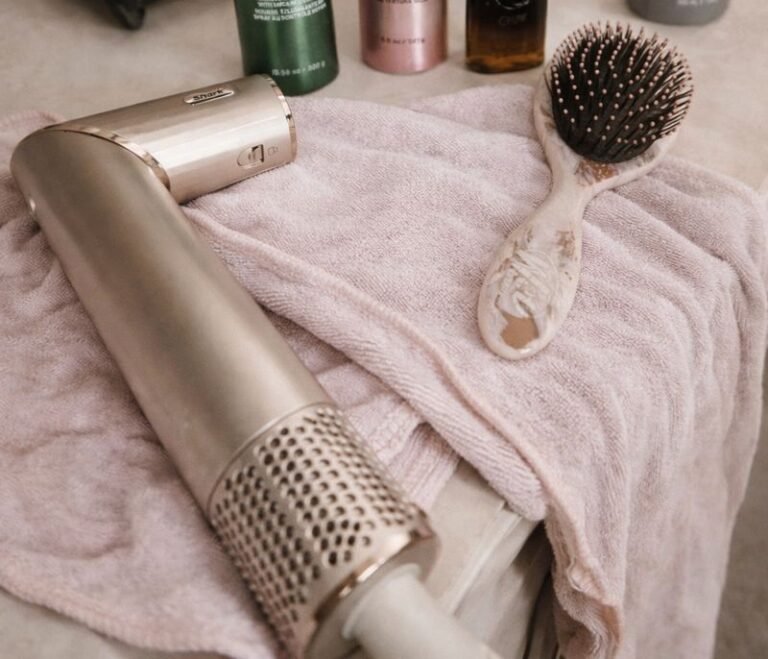
Blow Dryer & Multi-Styler (Shark FlexStyle)

  • Fine hair often looks thinner and more fragile when air-dried. Mine definitely does. It is flat, dull, and almost wispy.

Blow-drying actually makes my hair look thicker, fuller, and healthier.

I use the Shark FlexStyle because it combines multiple tools in one and allows styling while the hair is still slightly damp. That means less heat overall compared to drying fully and then using hot irons.

My routine:

  • Rough dry roots first while tilting your head upside down for the most volume
  • Style hair once it is 70-75% dry 
  • Always use medium heat
  • Never use the highest heat setting on any tool


High heat can fry fine hair quickly, leading to dryness, frizz, and split ends. Medium heat is usually more than enough.

If you don’t have a multi-styler, make sure hair is fully dry before using a straightener or curling iron. Those tools are not meant for wet hair and can cause severe damage.

I strongly do NOT recommend hot air brushes like the Revlon wet-to-dry tool. When I used it, my hair broke constantly and never seemed to grow. Since switching away, my hair has reached lengths I never had before.

Shark FlexStyle Air Styling & Drying System with Wraps, Curls, Sets
$299.99
Buy Now
We earn a commission if you make a purchase, at no additional cost to you.
01/23/2026 03:13 am GMT
Volume Without Damage: Sectioning Clips

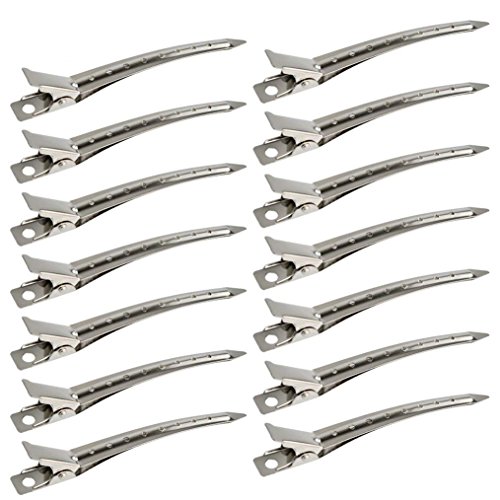
Fine hair often falls flat quickly, which makes it tempting to use teasing or high heat to create volume. I prefer using sectioning clips to hold curls or lift the roots while my hair cools.

This gives me more volume without extra damage. It also helps my style last longer, which means less restyling and less heat overall.

For fine hair, small tricks like this make a big difference.

24 Packs Duck Bill Clips, Bantoye 3.5 Inches Rustproof Metal Alligator Curl Clips with Holes for Hair Styling, Hair Coloring, Silver
$5.68
Buy Now
We earn a commission if you make a purchase, at no additional cost to you.
02/21/2026 05:58 pm GMT

Overnight Care: How I Protect My Hair While I Sleep

Sleep is one of the most overlooked sources of hair damage, especially if you move around a lot at night.

Fine hair tangles easily, and hours of friction against your pillow can lead to knots, breakage, frizz, and styles that don’t last until morning. Protecting your hair overnight doesn’t have to be complicated, though. I stick to simple styles that I can do consistently.

My Simple Pre-Bed Routine

Before putting my hair up, I gently brush through it to remove tangles from the day. Starting at the ends and working upward prevents unnecessary pulling and breakage.

If my hair feels dry, I’ll also apply a small amount of hair oil to the mid-lengths and ends. This helps smooth the hair, reduce friction, and keep it from feeling brittle overnight.

Option 1: Loose Ponytail

This is my default and most realistic style.

I gather my hair into a low loose ponytail and secure it with a silk hair tie. Keeping it loose is important so there’s no pulling on my scalp. The goal isn’t to hold the hair tightly, but to keep it contained so it doesn’t tangle while I sleep.

A loose ponytail also helps preserve whatever style I had that day, which means less detangling and less heat styling in the morning.

Option 2: The Sleepy Tie

If I have a blowout or want extra volume for the next day, I’ll use a Sleepy Tie.

It’s a soft scrunchie designed to hold your hair in a high, loose bun near the top of your head. This keeps your ends protected and prevents your hair from being crushed while you sleep.

I like it because it’s much faster and more comfortable than heatless curl rods, and it works well even for deep sleepers. It helps preserve bounce and volume without requiring a complicated setup.

These simple styles reduce friction, protect the ends, and make mornings easier all without stressing your hair or requiring perfect technique.


A simple place to start

Healthy hair growth isn’t about doing everything perfectly, but it’s about reducing the everyday damage that holds your hair back. The tools you use during sleep, detangling, and styling quietly shape your results over time, especially if your hair is fine and fragile. If you’re not sure where to begin, focus on the changes that give you the most protection with the least effort: a silk pillowcase, gentle silk hair ties, and a flexible detangling brush. These alone can reduce breakage, tangling, and frustration while making your routine feel easier instead of more complicated.

Leave a Reply

Your email address will not be published. Required fields are marked *