The Reality of Hair Growth: What No One Tells You About the Process
When I first started my hair growth journey, I felt discouraged about my hair and didn’t feel confident styling it.
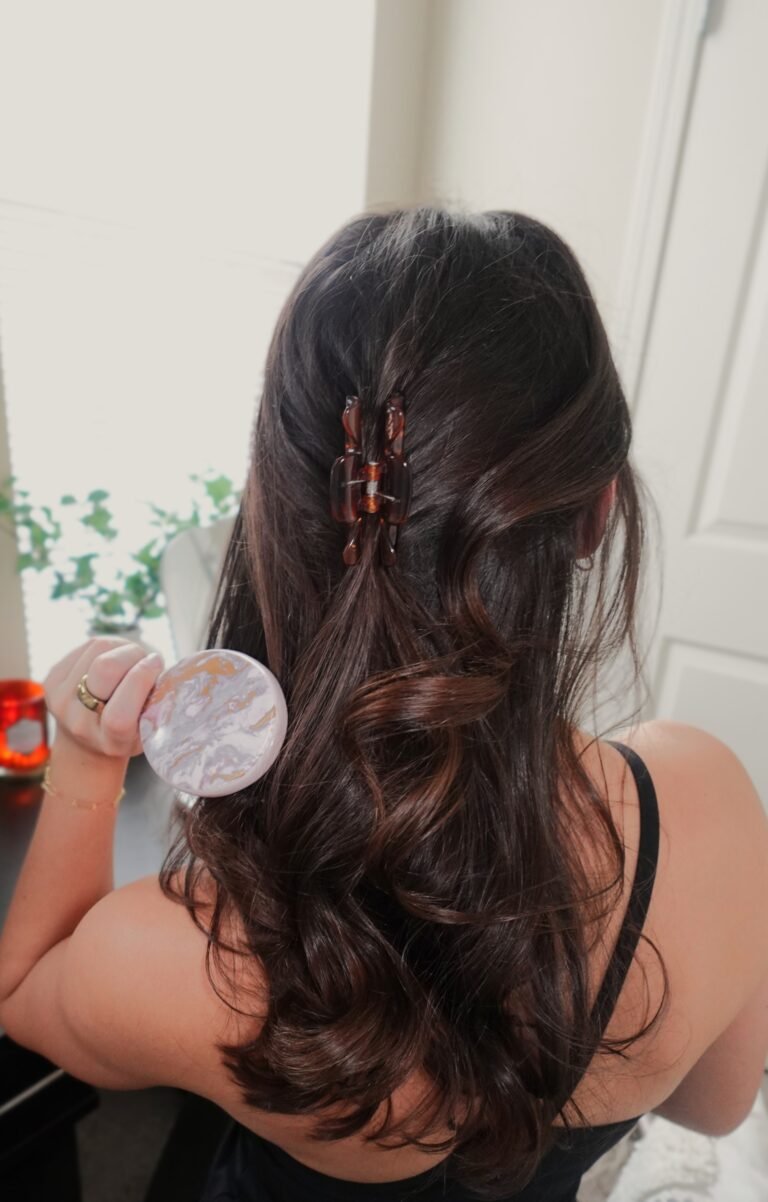
I’d scroll Pinterest and YouTube watching girls effortlessly recreate hairstyles I loved, and I’d immediately think that wouldn’t look good on me. Not because of my face or style — but because I didn’t feel like I “had the hair” for it.
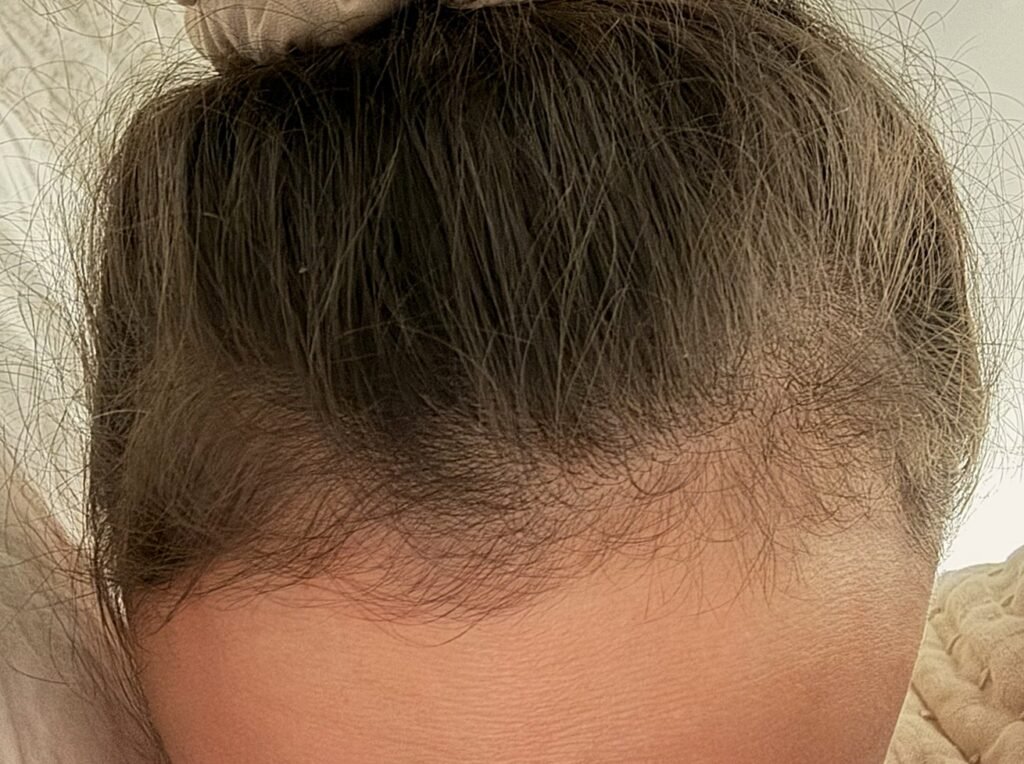
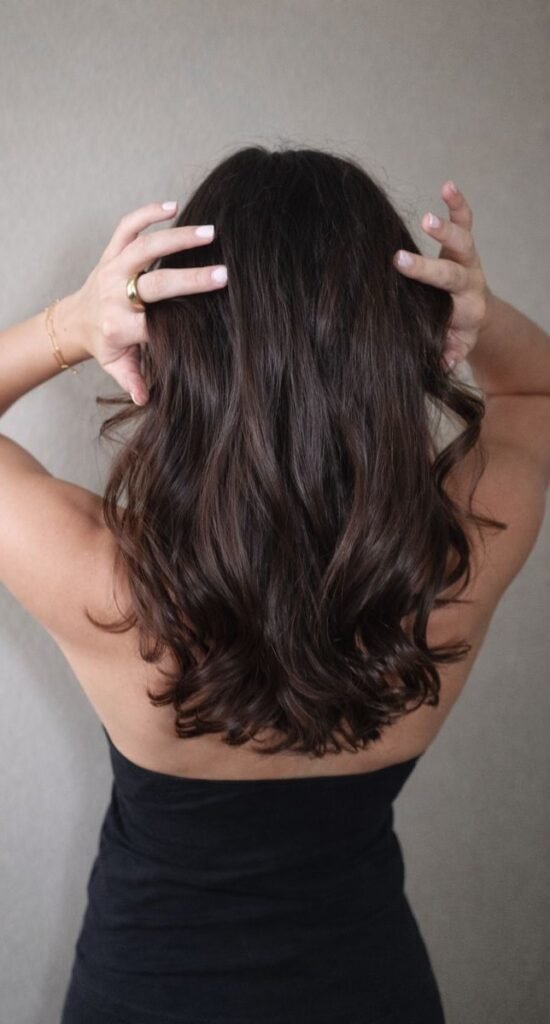
I didn’t love wearing my hair in ponytails. From the back, my ponytail looked small, and my widow’s peak made me feel more exposed than I liked. When I saw photos of myself, I often wished my hair looked fuller and healthier. I wanted that soft, voluminous, healthy-hair look.
So at the start of 2025, after seeing videos about batana oil, I told myself: let’s give this a real shot. That’s where my journey began.
I’ve shared my full routine and product breakdowns in my other posts — but this article is about the parts of the journey most routines skip over.
This post isn’t about a perfect routine or overnight results. It’s about what I actually experienced — the good, the awkward, and the parts I almost gave up during.
If you’re just starting — or thinking about quitting — this is for you.
In this post, I’m walking through the real phases of a hair growth journey: how long growth actually takes, why your hair may look darker, what shedding can mean, the awkward baby-hair stage, and how to stay consistent when progress feels slow.
Think of this as the honest version of what most routines don’t talk about.
Hair Growth Is Slow (Weeks vs. Months)
This is the part no one really prepares you for.
I started on January 1st, 2025, committing to:
- Hair oiling before every wash with batana oil
- Taking my Nature’s Bounty Hair, Skin & Nails vitamins daily
- Being more intentional about damage prevention
Within a few washes, I noticed health changes first — less frizz, more shine, softer texture. That early improvement can trick you into thinking growth will be fast too.
But visible growth takes time.
- Around 3 months: baby hairs started appearing at my hairline
- Around 5 months: my hairdresser commented on how much healthier my hair looked
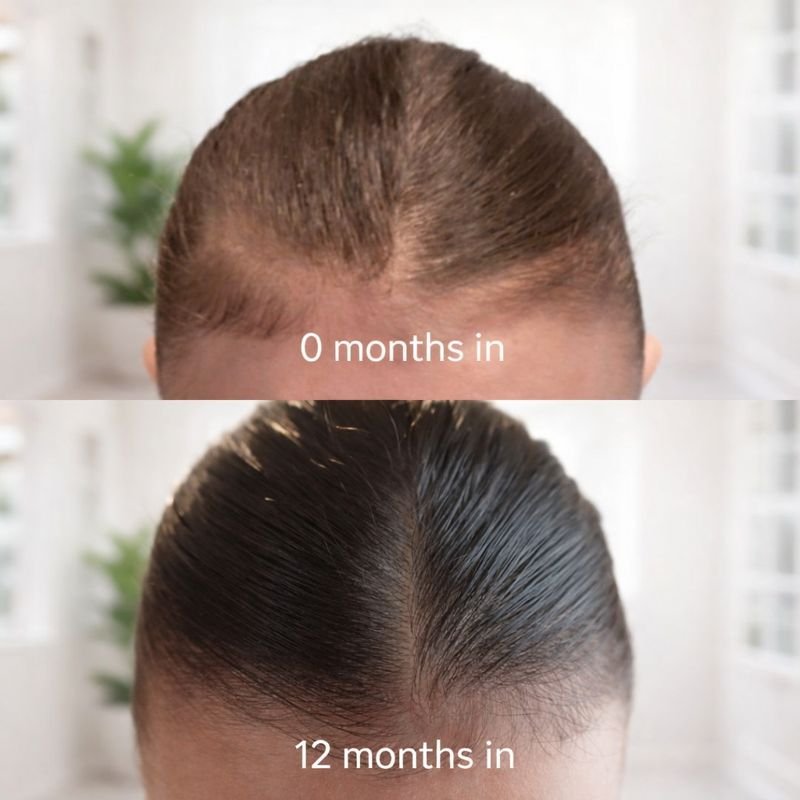
- Around 1 year: side-by-side photos showed clear density and fullness I hadn’t noticed day to day
Hair growth is gradual, and you usually only see it clearly when you give it enough time and stay consistent with your routine. For some people it’s faster, for others slower — but months, not weeks, is the realistic timeframe.
Why Your Hair May Look Darker After Hair Oiling
There’s a common myth that oiling makes your hair darker. There’s no scientific evidence that oil changes your hair color — but hair health absolutely changes how color appears.
In my case:
- Grown-out highlights were gradually trimmed away
- Healthier strands held pigment better
- Less damage meant less faded ends
- Increased density made my hair look richer overall
Damaged hair reflects light differently. When your hair becomes stronger, shinier, and more hydrated, it can appear darker — but it’s really just healthier.
I noticed this especially with my fine hair, where shine and strand strength made a bigger visual difference than length at first.
The Shedding Scare (and Why It’s Often Normal)
Early on, I noticed more shedding and it worried me. After researching, I learned that losing about 50–100 hairs per day is part of the normal cycle.
Hair moves through natural phases:
- Anagen — active growth
- Telogen — resting, ready-to-release hairs
When you oil and massage your scalp, you’re:
- encouraging circulation
- helping ready-to-release hairs shed during washing
- supporting a healthier environment for new growth
That can make shedding look heavier, but often it’s just timing, not damage.
A reassuring sign: many naturally shed hairs have a small white bulb at the root, showing they completed their cycle.
When to check with a doctor
- sudden extreme shedding
- bald patches
- scalp pain or irritation
- hormonal changes with thinning
Otherwise, wash-day shedding often looks dramatic but is usually normal.
The Fuzzy / Baby Hair Stage (What Regrowth Actually Looks Like)
At first, this stage excited me. I saw baby hairs filling in my widow’s peak — real proof something was working.
Then more appeared at my crown and part line. That’s when styling got harder. Shorter pieces stuck up or refused to blend.
That’s normal.
Regrowth comes in uneven lengths. It looks messy before it looks full. This is the middle stage most before-and-after posts skip.
A blunt trim helped balance my lengths visually while growth continued. A light finishing serum or soft-hold spray around the hairline also helped manage shorter pieces without flattening everything.
The flyaways weren’t failure — they were progress.
Signs Your Hair Growth Routine Is Working
Not all progress shows up as length first. Early signs include:
- less breakage
- more shine
- baby hairs at the hairline
- fuller part line
- stronger feel when brushing
- fewer brittle ends
These are real wins — even if length takes longer.
Consistency Matters More Than Perfect Routines
The biggest lesson I learned: simple habits done consistently outperform perfect routines you can’t maintain.
My highest-impact habits:
- batana oil before most washes
- consistent vitamin use for full bottles, not just weeks
- damage prevention: repair shampoo, microfiber towel, silk pillowcase
I stopped forcing high-maintenance habits that didn’t fit my life. Results improved when the routine became repeatable.
Simple, repeatable rituals beat complicated routines you can’t stick to.
You’re allowed to keep it simple. You’re allowed to go at your own pace.
Progress Photos Change Everything
Progress photos gave me proof when the mirror didn’t.
I took photos:
- start
- 1 month
- 5 months
- 1 year
When I finally compared my photos side by side, I saw progress I never would have noticed day to day. That’s why I always suggest taking photos about once a month in the same lighting and angles — it gives you a more honest view of what’s actually changing. It’s one of the simplest and most underrated tools in a hair growth routine.
If You’re Feeling Discouraged, Read This
If you feel discouraged, you’re probably in the middle stage — not failing.
Healthy hair improves in stages:
feel → strength → density → length
That middle stage tests patience — but it’s where real change is happening.
If I could tell my past self one thing: stay consistent long enough to fairly evaluate what you’re doing. Adjust — but don’t quit too early.
Progress isn’t only length:
- less breakage
- more shine
- baby hairs
- stronger feel
Stay with the process. Keep your routine simple and repeatable. The results build — quietly, then clearly.